 Tiếng Việt
 English

A fine wooden sailing ship model is more than a decorative object. Behind every miniature hull lies a story: a naval battle that changed the course of European history, a maiden voyage that ended after only a few minutes, a shipwreck and mutiny on a remote coast, or generations of cadets who learned their trade on the deck of a training ship. This article tells the stories of the legendary ships that Vietnam Wooden Ships has recreated in wood, and shares practical advice on choosing a sailing ship model that suits your space and your taste.
Why wooden sailing ship models have a special appeal
For hundreds of years, sailing ships carried people across the oceans, opened trade routes, launched voyages of exploration and fought wars at sea. Tall masts, intricate rigging and sails filled with wind became symbols of adventure, patience and the craft of building ships by hand. When a ship is scaled down into a model, those qualities remain: you can stand in front of a hull less than a meter long and still picture an entire age of sail.
Compared with models of modern vessels, a sailing ship model carries far more detail: a multi-deck hull, rows of gun ports, railings, a rudder, anchors, tiers of square or triangular sails and, above all, the rigging. That density of detail turns every model into a handcrafted piece that takes many days of careful work. It is also why a model ship is such a popular centerpiece for a living room or study, and such a meaningful gift — in Vietnamese culture, a sailing ship stands for "smooth sailing" in business and in life.
You can browse every model currently available in the sailing ship models category at Vietnam Wooden Ships, or explore the full range on the products page.
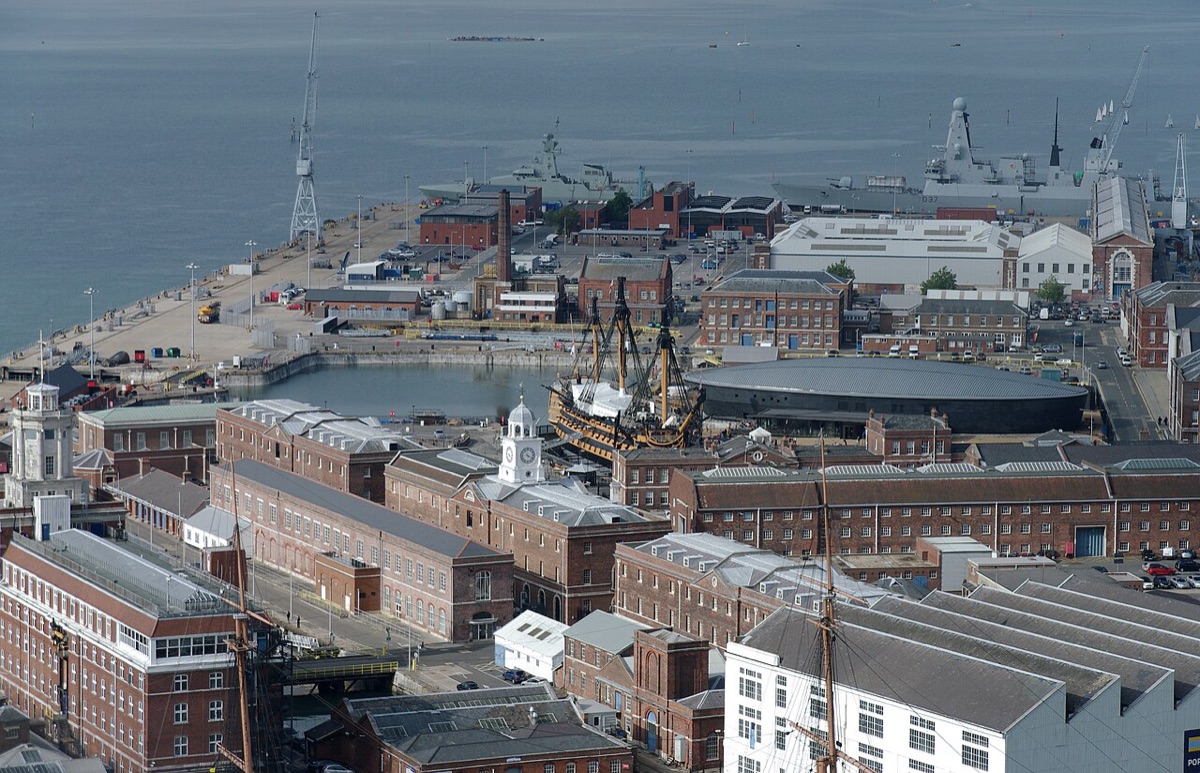
HMS Victory – Admiral Nelson's flagship
HMS Victory is a first-rate ship of the line of the British Royal Navy, launched in 1765. She earned her place in history as the flagship of Admiral Horatio Nelson at the Battle of Trafalgar in 1805, where the British fleet defeated the combined French and Spanish fleets. Nelson was killed on Victory's deck during the battle, and the ship has been a symbol of British naval tradition ever since.
Since 1922, Victory has been kept in dry dock at Portsmouth, preserved and open to visitors. Remarkably, she is still a commissioned ship of the Royal Navy, which makes her the oldest naval ship still in commission in the world.
How to recognize an HMS Victory model
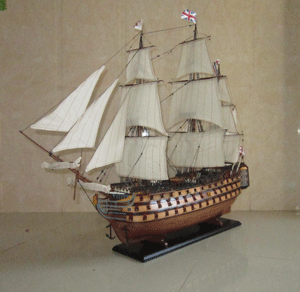
On a model, Victory is easy to identify by her tall hull with three gun decks, the yellow and black bands running along her sides and the perfectly aligned rows of gun ports. The stern features galleries and tiers of windows, and she carries three square-rigged masts plus a long bowsprit reaching forward. An HMS Victory model is a natural choice for lovers of naval history, or for anyone who wants a model with a commanding, majestic presence.
Vasa (Wasa) – the warship that sank on her maiden voyage
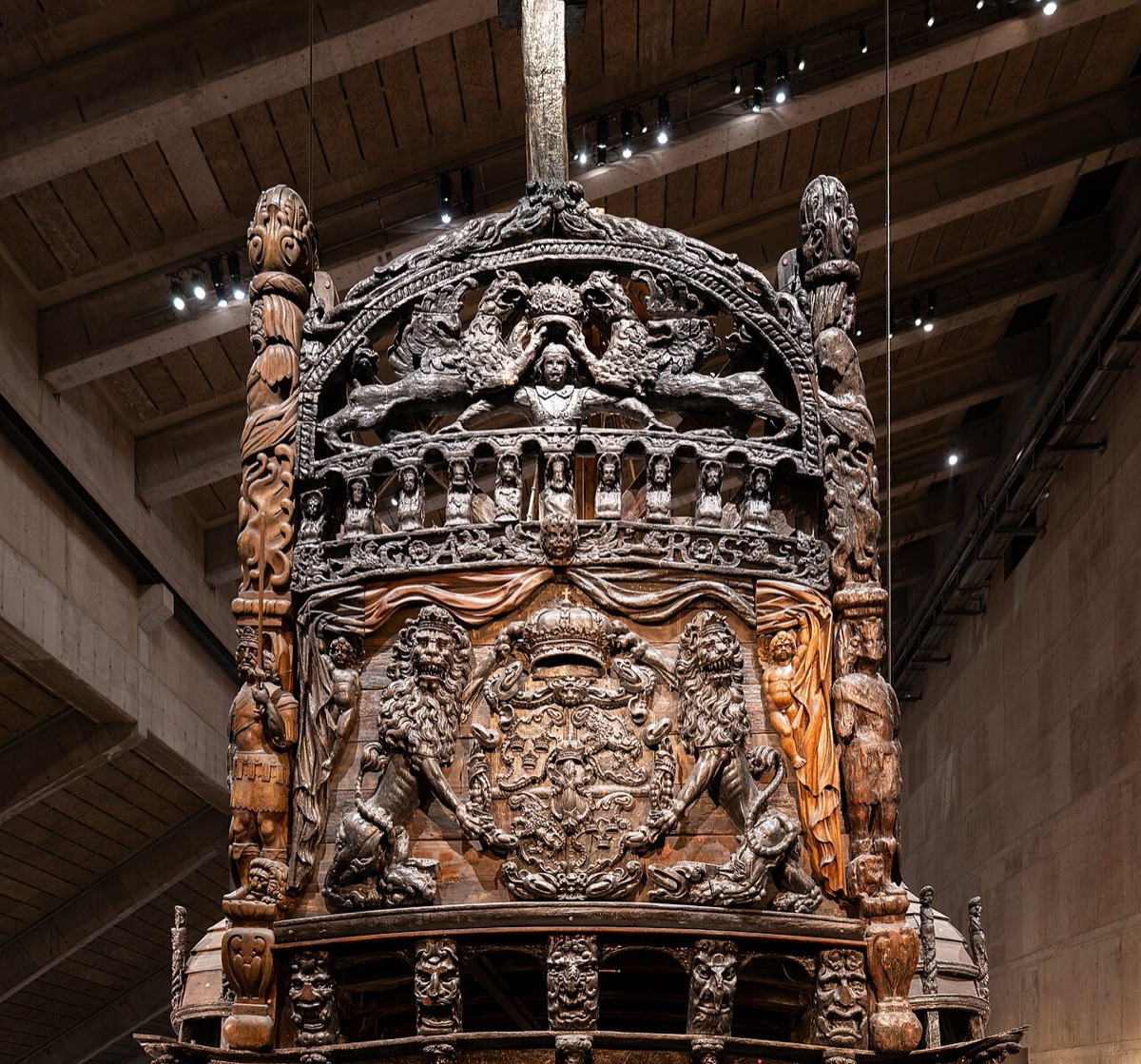
Vasa (also spelled Wasa in the older form) was a Swedish warship built in the 1620s with the ambition of being one of the most powerful ships in the Baltic. Yet on August 10, 1628, on her maiden voyage, she heeled over and sank in Stockholm harbor after sailing only a short distance from the quay.
More than three centuries later, in 1961, Vasa was raised from the seabed. Thanks to the cold water and the scarcity of wood-boring organisms in that part of the Baltic, most of the hull survived in its original state. Today the ship is displayed in the Vasa Museum in Stockholm and is one of the most famous maritime artifacts in the world.
Why the Wasa is such a popular model
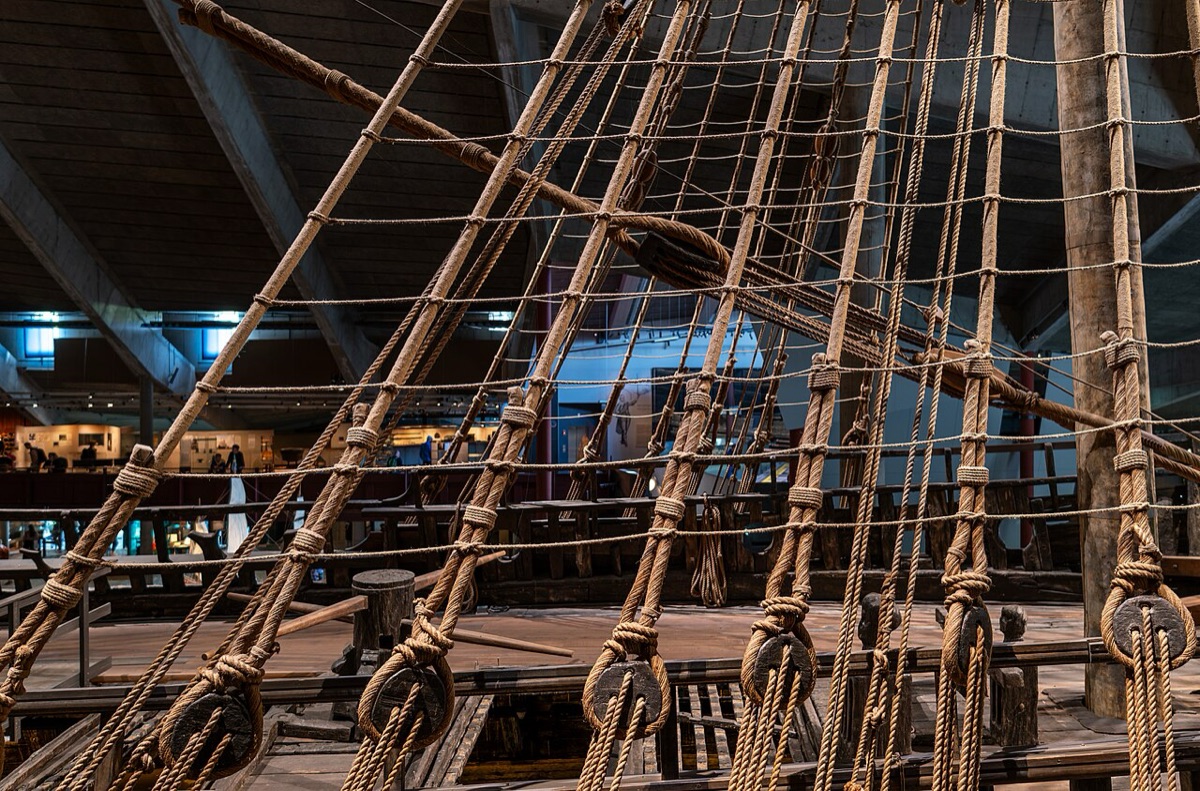
The highlight of the Vasa is her tall stern, decorated with countless carved figures and reliefs. On a model, the stern becomes the main focal point — especially when the ship is displayed at an angle so viewers see both the side and the stern. The Vasa's rigging is also dense, with shrouds and ratlines running from the hull to the mastheads — a detail that tests the skill of any model maker.
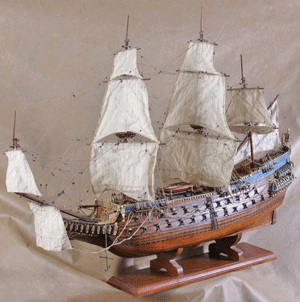
Batavia – a ship of the Dutch East India Company

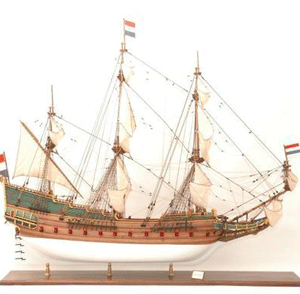
Batavia was a merchant ship of the Dutch East India Company (VOC), built in Amsterdam in 1628 to carry cargo and passengers on the long route to Asia. On her maiden voyage in 1629 she ran aground and was wrecked on the Houtman Abrolhos islands off Western Australia. The wreck was followed by a bloody mutiny among the survivors, making the Batavia story one of the darkest and best-known chapters in maritime history.
More than three and a half centuries later, the Dutch built a replica of the Batavia in Lelystad using traditional shipbuilding techniques. The replica was launched in 1995 and has become a favorite destination for lovers of historic ships.
Features of the Batavia model
The Batavia has the classic lines of a 17th-century Dutch merchantman: a full, rounded hull, a high decorated stern and warm wood tones broken by painted bands. Compared with a warship, the Batavia feels softer and more traditional, which makes it a great fit for classic interiors or a study filled with wooden furniture.
Christian Radich – Norway's training ship
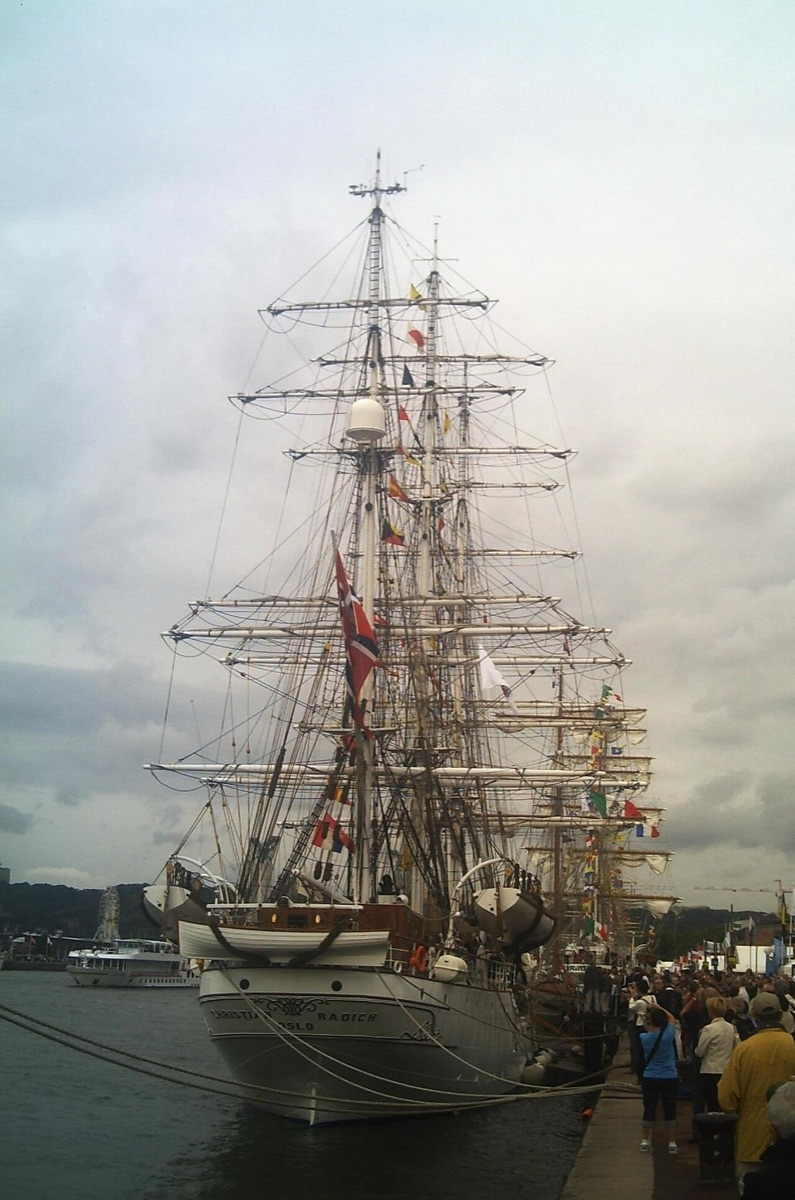
Not every legendary ship comes from the 17th or 18th century. Christian Radich is a Norwegian full-rigged ship launched in 1937 and used to train merchant navy cadets. She became widely known after starring in the 1958 film "Windjammer", which brought images of white sails crossing the ocean to audiences around the world.
As a model, the Christian Radich looks more graceful than the old warships: a long, slender hull with clean sides, crowned by three tall masts carrying tiers of square sails. It is a great choice if you prefer a sleeker, more modern look that still captures the full spirit of a tall ship.
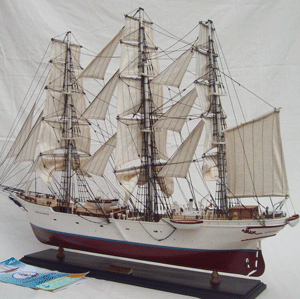
The Ha Long sailing junk – a Vietnamese icon on the water

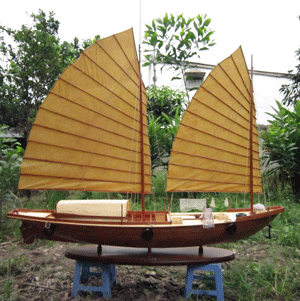
Alongside the great Western ships, the sailing junks of Ha Long Bay are a familiar sight to Vietnamese people and international travelers alike. Their brown sails, stretched over bamboo battens, open like fans and stand out against the limestone karsts and green water. The image has become a symbol of Vietnamese tourism.
A Ha Long sailing junk model makes a particularly good gift for overseas partners, a souvenir with a distinctly Vietnamese character, or a decorative piece for a hotel lobby or an Asian-style restaurant. With its large size, this model can stand alone as a work of art in a spacious room.
Quick comparison of our wooden sailing ship models
The table below summarizes the sailing ship models currently available from Vietnam Wooden Ships so you can compare them at a glance. Sizes are given as length × width × height.
| Model | Code | Size (cm) | Style | Price |
|---|---|---|---|---|
| VICTORY | TB 008 | 80 × 17 × 74 | British warship, majestic, multiple gun decks | Contact us |
| WASA | TB001 | 80 × 15 × 75 | Swedish warship, carved stern | Contact us |
| BATAVIA | TB 005 | 80 × 15 × 75 | Dutch merchant ship, classic | Contact us |
| CHRISTIAN RADICH | BT 003 | 75 × 11 × 65 | Training ship, graceful | Contact us |
| THORSEN axel 1810 NA UY | TB 001 | 60 × 12 × 55 | Nordic sailing ship, compact | 6,000,000 VND |
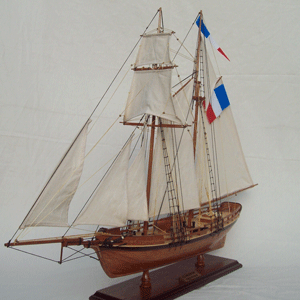
| LA JACINTHE | TB 002 | 55 × 12 × 55 | Small decorative ship | 3,000,000 VND |
| HA LONG Sailing Boat | TB 004 | 150 × 30 × 120 | Vietnamese junk, large | 15,000,000 VND |
The two smaller models, THORSEN axel 1810 and LA JACINTHE, are ideal for a desk, a bookshelf or a personal gift, as they are more compact and easier to transport than the 80 cm models.
How to choose the right sailing ship model
Every ship has its own story, but a beautiful model only feels "right" when it suits the room and the purpose you have in mind. Here are the main points to consider.
1. Size relative to the space
Because of the masts, a sailing ship model is almost as tall as it is long, so check the height of your shelf or cabinet as well. Models around 55–60 cm suit a desk or bookshelf. Models of 75–80 cm need a cabinet top, console table or wide display shelf with open space above. A 150 cm model such as the Ha Long sailing junk belongs in a lobby, a large living room or on its own stand. Measure the spot first and leave some space on either side so the model does not look cramped.
2. The story and your interests
- Love naval history: choose the Victory or the Wasa.
- Drawn to trade and exploration: the Batavia comes with a gripping story.
- Prefer elegance and clean lines: the Christian Radich or the Thorsen.
- Want a touch of Vietnam: the Ha Long sailing junk.
3. Purpose: display or gift
If the model is a gift, think about the recipient: an overseas partner may love the Ha Long junk for its Vietnamese character, while an entrepreneur may appreciate the "smooth sailing" symbolism of a large tall ship. A medium-sized model is usually the safest choice, since it is easier for the recipient to find a place for it. Before ordering a model as a gift, read our guide on buying a wooden model ship so you have all the information you need.
4. Matching your interior
Classic tall ships in deep wood tones pair well with wooden furniture, leather and warm lighting. The Christian Radich, with its bright white sails, suits modern rooms with light-colored walls. If your home already features handmade wooden furniture, our article on handcrafted wooden furniture shows how to combine models and furniture in harmony.
Signs of fine craftsmanship on a sailing ship model
When you look at a wooden sailing ship model, you can judge its quality by a few specific points:
- Hull lines: both sides are symmetrical, and the curve from bow to stern is smooth, without kinks.
- Rigging: lines are evenly tensioned, not slack, and the knots are neat.
- Masts: straight and sturdy, with the tiers of sails in proportion to the hull.
- Surface finish: paint or varnish is even in color, with no excess glue.
- Small details: the more care given to railings, gun ports, the rudder, anchors and lifeboats, the more lifelike the model looks.
Because each model is made by hand, two pieces of the same design may differ slightly in wood color or grain — that is the signature of handmade work, not a manufacturing defect.
Caring for your sailing ship model
Sailing ship models have lots of rigging and fine parts, so they need gentler care than models of modern vessels. A few basic rules:
- Keep the model in a dry place, out of direct sunlight, so the wood does not warp and the sails do not fade.
- Dust with a soft brush or a small air blower; never wipe the rigging with a damp cloth.
- When moving the model, lift it by the hull or the base — never by the masts.
- If possible, keep the model in a glass display case to limit dust.
You will find more detailed advice in our article on how to care for wooden model ships and on the user guide page.
Frequently asked questions
Are wooden sailing ship models built to an exact scale of the real ship?
Each model follows the shape and recognizable features of the real ship, but it is a handcrafted decorative piece rather than a precise technical replica. Check the photos and dimensions on each product page to get the clearest picture.
Should I choose the Victory or the Wasa as a gift?
Both are majestic warships of about the same size, around 80 cm. The Victory stands out with her multiple gun decks and her link to the Battle of Trafalgar; the Wasa stands out with her richly carved stern. Choose the story the recipient will enjoy most.
Which sailing ship model fits on a desk?
The smaller models such as the THORSEN axel 1810 (60 cm) or LA JACINTHE (55 cm) are the best fit for a desk or bookshelf.
How are "Contact us" prices determined?
For models without a listed price, please contact us directly for a quote based on the model and quantity. The ordering steps are described on our buying guide page.
Can I order a custom sailing ship model?
You are welcome to contact us to discuss the model and size you have in mind; the workshop will advise on what is feasible for each request.
Talk to us about sailing ship models
If you are torn between models, or need a quote for the models marked "Contact us", call +84 908 062 685 or send a request through the Vietnam Wooden Ships contact page. Our workshop is located at 199 Hamlet 1B, Phuoc Thai, Long Thanh, Dong Nai, Vietnam. We are happy to discuss quotes, payment and shipping arrangements for your order. Before ordering, you can read the buying guide to see how to choose a model and place an order. If other types of ships interest you, take a look at our articles on choosing cruise ship and yacht models and cargo ship models.